Syria spotlights UNESCO World Heritage sites and restoration drive
Syrian World Heritage Sites Syria hosts a concentration of UNESCO World Heritage sites that testify to its long history as a crossroads of civilizations. Lina Qatifan, director of World Heritage Site...
Syrian World Heritage Sites
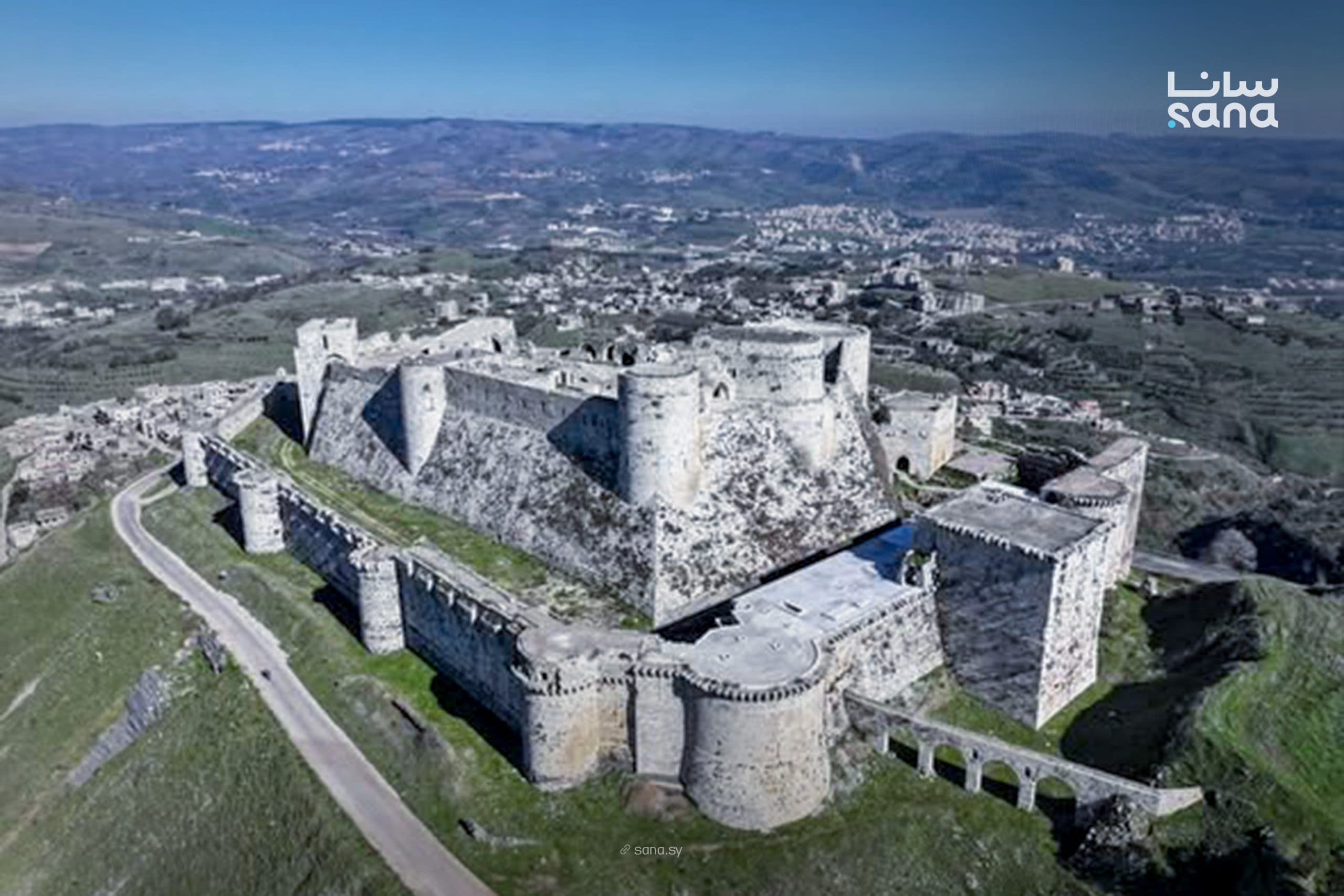
Syria hosts a concentration of UNESCO World Heritage sites that testify to its long history as a crossroads of civilizations. Lina Qatifan, director of World Heritage Sites in Syria, highlighted key inscriptions: the Ancient City of Damascus (1979) with origins in the third millennium BC and evidence of habitation at Tell Ramad up to 8,000–10,000 years BC; Aleppo (1986) with its citadel, Great Mosque and Ayyubid urban fabric; Palmyra (1980) as a major caravan hub blending Greco‑Roman and local styles; Bosra (1980) with Nabataean, Roman, Byzantine and Islamic layers and a well‑preserved Roman theatre; Krak des Chevaliers and Saladin Castle (2006) as outstanding medieval military fortifications; and the Ancient Villages (2011) preserving rural settlements from the late classical period.
The Directorate‑General of Antiquities and Museums, in cooperation with UNESCO, has pursued restoration and conservation work since 2013 aimed at removing Syrian sites from the endangered list, preparing conservation files for Damascus, Palmyra and Bosra. Authorities are also preparing new nominations — including Maaloula and a Christian pilgrimage route — in collaboration with ICOMOS to strengthen Syria’s cultural presence and safeguard its heritage for future generations, as reported by SANA